Swimming Pool Installation Permits in Virginia Beach: What Homeowners Need to Know
Getting a swimming pool installation permit in Virginia Beach, VA, is a required step before any digging begins. This guide covers what permits are needed, what inspections to expect, and how the process flows from application to your first swim. Whether you are in Great Neck, Kempsville, or closer to the Oceanfront, understanding local permit rules can save you time, money, and legal headaches.
Why Virginia Beach Homeowners Must Obtain a Pool Permit
Virginia Beach requires a building permit for any structure holding more than 500 gallons of water, over 150 square feet, or deeper than 24 inches. That covers virtually every inground pool and most permanent above-ground pools.
Pool construction must comply with the Virginia Uniform Statewide Building Code, including stringent safety and barrier requirements. Skipping the permit process can result in fines, forced removal, or problems when you sell your home. Virginia Beach administers the code locally, so requirements may differ slightly from neighboring Chesapeake or Norfolk even though all three cities operate under the same statewide framework.
The Four Permits Required for Pool Installation in Virginia Beach
Virginia Beach does not issue a single all-in-one permit. You must obtain four distinct permits before swimming pool installation begins: a pool permit, barrier permit, electrical permit, and gas permit (if applicable).
Pool Permit
The pool permit certifies your pool's structure complies with local building codes. Submit a detailed plot plan, two sets of construction drawings, and a swimming pool affidavit to the city's permit office. The plot plan must show proposed distances from the pool to all property lines and the house, in compliance with Planning Department setback requirements.
Barrier Permit
The barrier permit ensures your pool is adequately fenced to prevent accidental drowning or unauthorized access. It may be bundled with your pool permit if obtained together. Virginia Beach requires every pool to be entirely secured by a fence at least 4 feet in height. Gates must open away from the pool, be self-closing, and have proper locks to restrict access when the pool is not in use.
Electrical Permit
Every new pool requires a separate electrical permit. Requirements include ground fault protection for outlets, proper bonding of metal components, and safe placement of electrical equipment. Existing systems must also comply with current code to obtain a permit.
Gas Permit
A gas permit is only needed if you plan to install a gas heater. If you are using an electric heat pump or no heater, this permit may not apply. Always confirm with the city's Permits and Inspections Division.
What to Expect During Pool Inspections
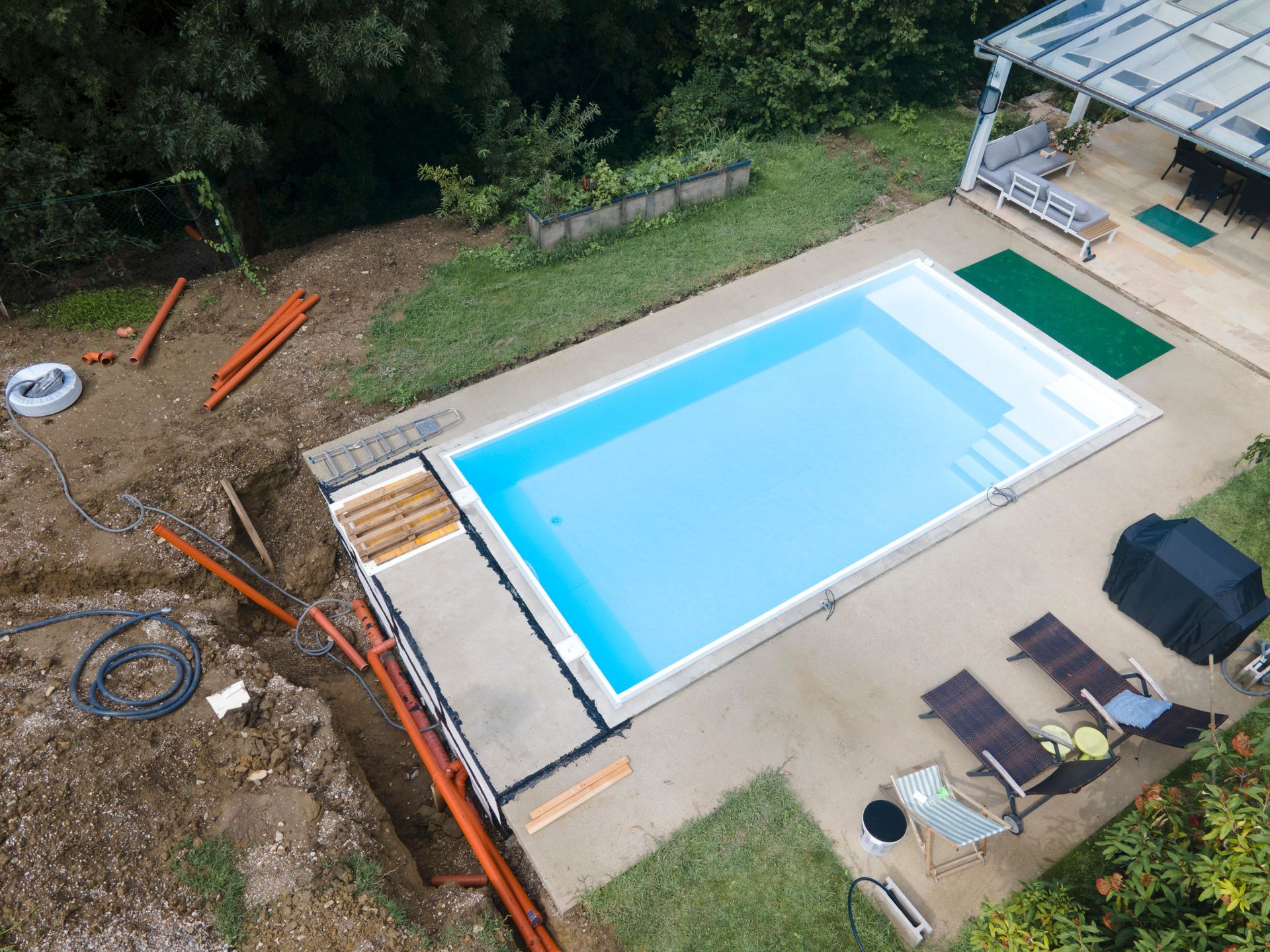
Inspections happen at multiple stages of construction. Most jurisdictions require a pre-construction inspection to verify setbacks, a bonding inspection before the pool shell is installed, and a final inspection of completed barriers and safety features. Each stage must pass before construction can continue.
Scheduling Your Inspections
Inspections may be scheduled up to five working days in advance and must be requested before 8 a.m. Schedule through the Virginia Beach Permit Online Portal or by contacting the Permits and Inspections Division directly. The final inspection verifies the pool's completion, barrier, and electrical equipment. Only after that final sign-off can you legally fill and use your pool.
How Long Does the Permit Process Take?
After submitting your application, city departments review your plans for compliance with building codes, zoning laws, and environmental regulations. The initial review typically takes a few business days, but revisions can extend that timeline. Processing times are often longer during the busy summer months, which is why fall and winter are the smartest seasons to start the permit and swimming pool installation process.
What About Chesapeake and Norfolk?
Homeowners in nearby Chesapeake and Norfolk face a similar framework. Both cities enforce the Virginia Uniform Statewide Building Code and require permit applications and plan review before construction begins. The underlying rules are largely consistent across Hampton Roads, but setback distances, submittal checklists, and review timelines can differ from one city to the next. Always verify requirements with your local building department.
Frequently Asked Questions
How Much Does a Pool Permit Cost in Virginia Beach?
Permit fees vary by pool size, project value, and which permits you need. Contact the Permits and Inspections Division for current pricing.
How Long Is a Pool Permit Valid Once Issued?
Pool permits are generally valid for six months to a year, depending on locality. Confirm your permit's expiration date with the city.
What Documents Are Required When Applying for a Pool Permit in Virginia Beach?
You'll typically need a plot plan, two sets of construction drawings, a swimming pool affidavit, pool specifications, a barrier responsibility form, and a property survey.
What Happens If I Skip the Permit Process?
Building without a permit can trigger code enforcement action, fines, and demolition of the unpermitted structure. Licensed contractors help homeowners avoid these costly setbacks.
Let Vision Pools and Concrete LLC Handle the Permit Process for You
Permits can feel like a lot to manage, but you do not have to navigate them alone. Vision Pools and Concrete LLC serves Virginia Beach and the broader Hampton Roads area, handling every phase of your swimming pool installation project, including permitting, so you can stay focused on the fun part.
Ready to get started? Contact Vision Pools and Concrete LLC today to schedule your consultation, or call (757) 846-0460 to speak with our team directly.